Siding Installation for exterior upgrades
Siding Installation: Elevate Your Home's Curb Appeal and Value
Siding installation holds a significant place in defining a home's outer appearance. It boosts curb appeal and simultaneously increases the overall worth of a home. Homeowners encounter key decisions surrounding materials and style preferences. Choosing the right siding can greatly impact energy efficiency and long-term maintenance. Understanding these factors can guide effective choices. What should homeowners consider when starting this project?
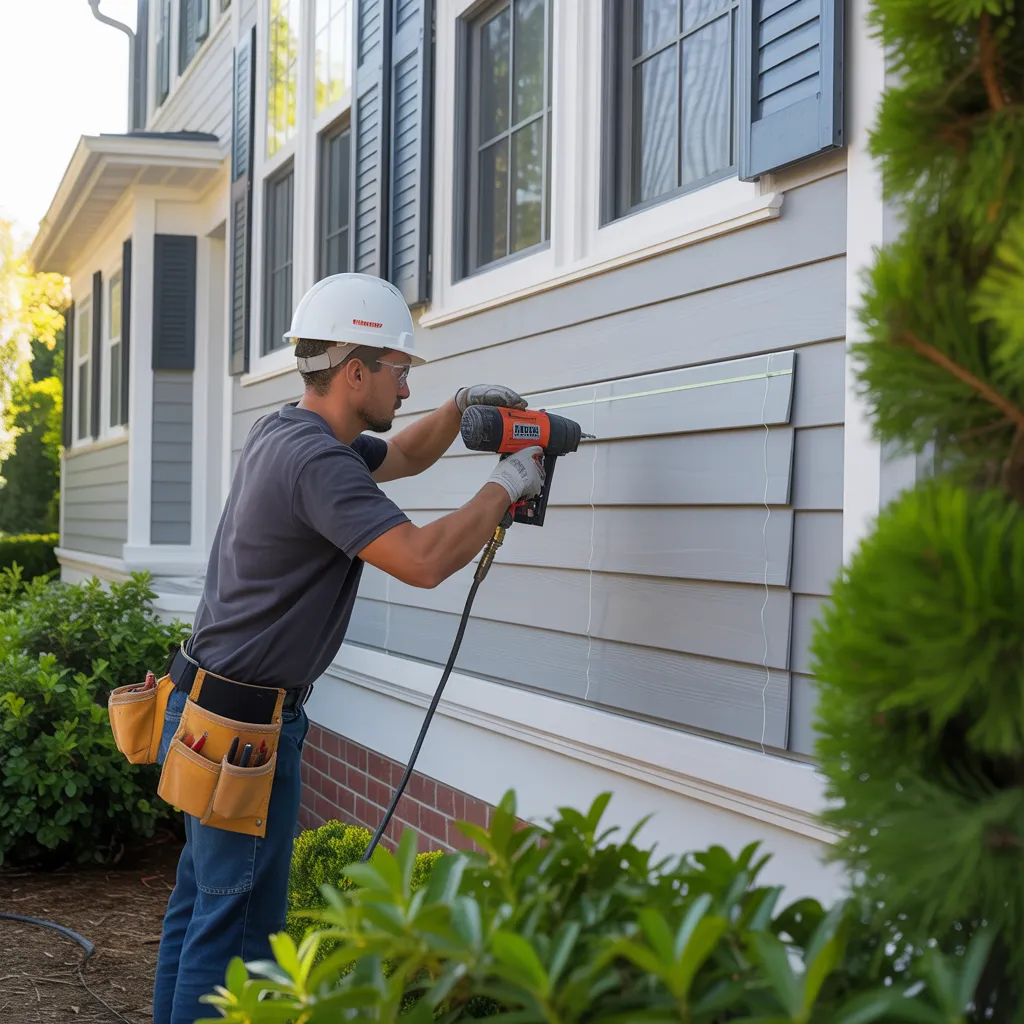
How Siding Impacts Your Home's Value
Siding serves as a critical component in improving the overall value of a home. It not only contributes to the property's aesthetic appeal but also delivers tangible benefits that can impact potential buyers. Well-chosen siding materials can improve energy efficiency, reducing heating and cooling costs, which is appealing to homeowners. Moreover, siding shields the structural foundation from damage caused by weather, thus increasing the longevity of the home.
Properties that have quality siding frequently command increased resale prices, as future buyers value the lower maintenance requirements and improved curb appeal. Additionally, today's siding options, such as fiber-cement or vinyl, are designed to resist warping, fading, and pests, additionally ensuring long-term value. The right siding can establish a positive first impression, making it a smart investment for homeowners aiming to maximize their home's marketability and value.
Choosing and Installing the Right Siding for Your Home
Picking the most suitable exterior siding for a house requires learning about various types of materials and the installation procedure. Each material delivers notable benefits and considerations that can determine both aesthetics and durability. A well-defined approach to the installation procedure guarantees a effective application, elevating the residence's complete attractiveness and safeguarding.
Material Selections Overview
When identifying the perfect exterior cladding for a home, homeowners are faced with a variety of material choices that can substantially influence both visual appeal and functionality. Vinyl siding is well-regarded for its cost-effectiveness and minimal upkeep, while wood provides a timeless appearance but demands greater maintenance. Fiber cement delivers exceptional durability and protection against pests, making it an excellent choice for diverse weather conditions. Metal siding, often aluminum or steel, is known for its longevity and contemporary appearance. Moreover, brick and stone veneer enhance property value and offer lasting beauty but carry higher upfront installation costs. The decision ultimately copyrights on financial considerations, preferred aesthetics, and regional weather patterns, allowing property owners to make an educated decision that adds value to their residence.
Installation Procedure Steps
Selecting the ideal siding for a home involves a structured approach that weighs aesthetics, functionality, and installation requirements. First, homeowners should assess their local climate and architectural style, confirming the chosen material matches their home's design and withstands environmental conditions. Subsequently, they must calculate the exterior dimensions precisely to establish the quantity needed.
After the appropriate siding material has been determined, preparing the surface is a necessary step, encompassing necessary repairs and proper cleaning. A moisture barrier must be put in place to protect against water damage. After this step, the siding pieces are trimmed to the correct dimensions and attached using the appropriate fastening materials, to guarantee accurate alignment throughout. To complete the process, homeowners should complete the installation with trim pieces and caulking to boost the longevity and overall appearance, finishing a transformation that significantly increases curb appeal and property value.
Siding Materials Compared: Finding the Best Choice for Your Home
Which siding material best suits a homeowner's needs? Homeowners often face a variety of choices, each with distinct advantages. Vinyl siding remains a widely chosen solution because of its cost-effectiveness and minimal upkeep demands, making it perfect for those watching their spending. On the other hand, wood siding provides visual charm and natural insulating properties but demands consistent maintenance to avoid degradation. Fiber cement siding combines durability with the look of wood, providing resistance to pests and weather, while stone and brick options deliver exceptional longevity and timeless elegance, albeit at a higher cost. Metal siding, frequently incorporated into modern home designs, is yet another alternative, celebrated for its structural strength and resistance to fire. At the end of the day, the ideal decision copyrights on elements such as financial constraints, environmental climate, and the homeowner's aesthetic vision. Homeowners should weigh these considerations carefully to select a siding material that enhances both their home's curb appeal and overall value.
How New Siding Can Enhance Your Home's Energy Efficiency
Transitioning to updated siding can significantly improve a home's energy efficiency. Today's siding products are crafted with innovative insulation properties that work to stabilize indoor temperatures, decreasing the need for heating and cooling systems. For instance, insulated vinyl siding can noticeably lower energy bills by limiting heat loss in winter and helping homes stay comfortable in summer.
In addition, new siding options commonly offer light-deflecting surfaces that help deflect sunlight, significantly decreasing cooling costs. Homeowners can select from multiple choices, including composite siding and fiber cement, which not only enhance thermal insulation but also repel moisture and pests, enhancing durability.
Professional installation is critical to maximizing energy efficiency. Gaps or poor sealing can undermine the benefits of upgraded siding. Through the use of premium materials and expert installation, homeowners can experience a significantly more comfortable home while simultaneously boosting their property's market value with enhanced energy efficiency.
What to Expect During Installation
During the installation of new siding, homeowners can expect a carefully organized process that proceeds through a series of important steps. Initially, the crew will thoroughly evaluate the existing structure, ensuring that any necessary repairs are completed before the new siding is put in place. After that, the old siding is carefully removed, followed by the installation of a moisture barrier to safeguard the structural components below.
After these preparations have been completed, the new siding is installed, which may involve careful measurements and trimming to fit around doors and windows. Homeowners can anticipate seeing the siding being secured using appropriate fasteners to guarantee durability. Throughout the project, workers will preserve a neat and structured workspace, limiting inconvenience to the residents. Finally, a thorough inspection is carried out to confirm the installation meets quality standards, leaving homeowners with a renewed exterior appearance that enhances both curb appeal and property value.
Key Maintenance Tips to Ensure Long-Lasting Siding Performance
To maintain peak durability and effectiveness of your siding, a routine cleaning schedule is essential. Moreover, regular checks for wear and tear can enable you to detect problems before they become severe. These proactive steps significantly contribute to upholding the integrity and appearance of the siding over time.
Regular Cleaning Schedule
Maintaining consistency in upkeep is vital for protecting the lifespan and appearance of siding. Setting up a routine cleaning plan can significantly improve its functionality and visual appeal. It is recommended that homeowners clean their siding no less than twice per year, optimally during the spring and fall seasons. This routine helps remove dirt, mold, and mildew that can accumulate over time, preventing discoloration and damage. A gentle wash using a mixture of water and mild detergent is often sufficient. For tougher stains, a soft-bristle brush or a pressure washer on a low setting may be appropriate. By following this maintenance routine, homeowners can ensure their siding stays in outstanding shape, ultimately enhancing the curb appeal and market value of the home.
Assess for Damage
Routinely examining siding for damage is essential for preserving its condition and look. Residents should inspect for evidence of damage, such as fractures, distortion, or chipping paint, which can signal deeper problems. Furthermore, areas around windows and doors are particularly vulnerable and should be examined closely. Water accumulation or mildew development may signal that the siding is failing to offer sufficient coverage, requiring prompt action. Periodic evaluations, particularly following harsh weather conditions, can help identify any damage early, reducing the risk of significant repair costs later. It is equally important to look for insect infestations or signs of rot, as these can compromise the siding's functionality. Timely maintenance guarantees lasting performance and improves the general appearance of the property.
Frequently Asked Questions
What Is the Typical Duration of Siding Installation?
Installing siding usually takes one to three days, based on the property's size, the chosen siding material, and prevailing weather conditions. Homeowners should anticipate potential delays if significant repairs are required beforehand.
Should I Install Siding Myself or Work with a Contractor?
Siding can be installed on one's own if they possess the necessary skills and tools; however, hiring a contractor often guarantees better quality and efficiency. Evaluating personal skills alongside professional experience is critical for ensuring a positive outcome.
What Are the Top Siding Colors to Boost Home Value?
Classic shades such as beige, gray, and white tend to increase see here home value, appealing to a broader audience. Vibrant colors may draw the eye but could reduce the pool of interested buyers, making neutral tones a wiser choice for resale value.
Are Permits and Inspections Necessary for Siding Installation?
Installing siding frequently necessitates permits and inspections, based on local building regulations. Homeowners should consult with local authorities to determine specific requirements, maintaining compliance and steering clear of potential penalties or complications during the installation.
How Does Siding Impact My Home Insurance Premiums?
Siding has the ability to affect home insurance premiums by shaping risk assessments. Durable materials may lower premiums, while vulnerability-prone choices may raise premiums. Insurers often consider the siding's impact on general property worth and upkeep requirements.